
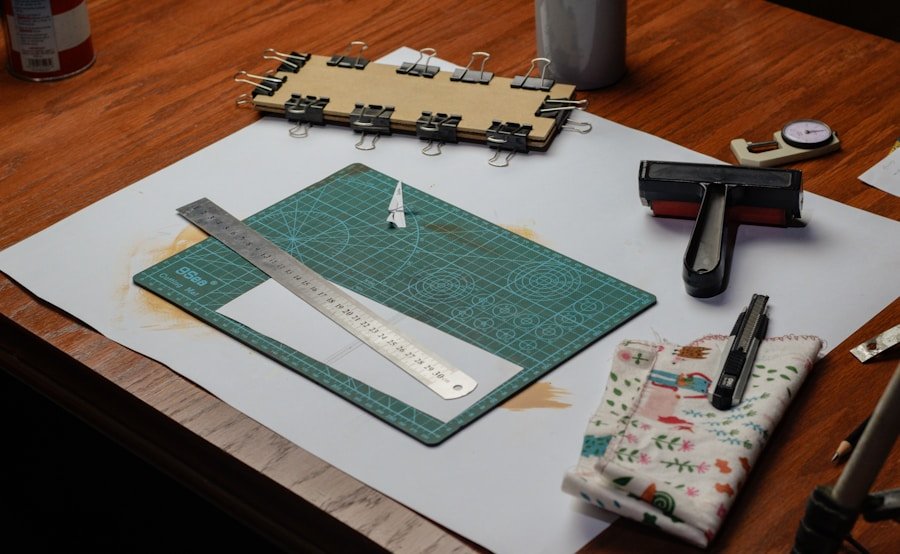
For midlifers, do-it-yourself (DIY) carpentry projects can be immensely satisfying. Making something with your own hands gives you a sense of pride and accomplishment in addition to being a creative outlet. Making your own furniture enables you to tailor pieces to your unique requirements and aesthetic, which can be especially alluring for midlife individuals who want to design a cozy & unique living area. Also, do-it-yourself carpentry can be a way to maintain your physical and mental fitness as you age. Moreover, carpentry projects can be more affordable than buying prefabricated furniture.
Key Takeaways
- DIY carpentry can save midlifers money and provide a sense of satisfaction
- Essential tools and materials are necessary for building furniture
- A step-by-step guide can help midlifers build their own furniture
- Tips for saving money on DIY carpentry projects can be helpful
- Customizing furniture to fit personal style and space is important
The opportunity to save money through do-it-yourself carpentry is especially appealing to midlifers, who frequently find themselves in a stage of life where they are more aware of their finances. You can create high-quality, custom pieces at a fraction of the price of store-bought furniture by investing the time and effort to build your own. Before beginning a do-it-yourself carpentry project, midlifers should make sure they have the necessary equipment and supplies. For the majority of furniture construction projects, basic tools like a saw, hammer, screwdriver, measuring tape, & level are essential. Also, purchasing power tools like a drill, circular saw, and sander can guarantee accurate, expert results and greatly expedite the construction process.
The choice of wood has a significant impact on the furniture’s overall appearance and longevity. When choosing the right lumber for their projects, midlifers should take into account elements like the wood’s resistance to wear and tear, hardness, & grain pattern. Also, hardware like drawer slides, hinges, screws, & nails are necessary for putting the furniture pieces together. Midlifers can confidently start their DIY carpentry journey if they have access to high-quality materials & a well-stocked toolbox.
Midlifers should take a methodical approach to construction when working on a do-it-yourself carpentry project. Start by carefully planning the furniture piece’s dimensions and design while keeping the intended functionality and available space in mind. Next, make a thorough sketch or blueprint that will act as a guide during the construction process. After the design is complete, it’s time to collect the required supplies and start cutting and shaping the wood in accordance with the blueprint’s specifications. At this point, accuracy is crucial to ensuring that every part fits together perfectly.
| Topic | Metrics |
|---|---|
| DIY Carpentry for Midlifers | Number of midlifers engaging in DIY carpentry |
| The Benefits of DIY Carpentry for Midlifers | Improved sense of accomplishment |
| Essential Tools and Materials for Building Furniture | List of necessary tools and materials |
| Step-by-Step Guide to Building Your Own Furniture | Number of steps in the guide |
| Tips for Saving Money on DIY Carpentry Projects | Cost-saving techniques |
| Customizing Your Furniture to Fit Your Style and Space | Examples of customization options |
| Overcoming Challenges and Mistakes in DIY Carpentry | Common challenges and mistakes |
| The Satisfaction of Creating Your Own Furniture: A Midlifer’s Perspective | Personal testimonials |
The next step is to assemble the individual components using the proper hardware or joinery techniques, then sand & finish them to give them a polished, businesslike look. Midlifers must be patient & meticulous at every stage because hurrying through the process can result in expensive errors. Midlifers can successfully construct their own furniture while developing their carpentry skills by using a methodical approach and adhering to best practices. There are other tactics midlifers can use to optimize savings on their furniture-building projects, even though do-it-yourself carpentry can be an economical undertaking in and of itself. Repurposing or upcycling existing materials or furniture components is one strategy.
For example, wood from old buildings can be salvaged, or discarded pieces can be refurbished into new creations. By reducing waste, this not only lowers costs but also promotes sustainable practices.

Also, astute midlifers can purchase tools and supplies for their projects by taking advantage of sales, discounts, and bulk purchasing options.
They can obtain high-quality products at lower costs by searching for discounts at hardware stores or online vendors, which will ultimately reduce the total cost of their do-it-yourself carpentry projects. Considering alternative wood sources, such as reclaimed or sustainably harvested lumber, which may provide comparable quality at a lower cost than conventional hardwoods, is another way to save money. Midlifers can produce high-quality furniture using do-it-yourself carpentry while saving a lot of money by investigating these options and using a creative approach.
For midlifers, one of the most alluring features of do-it-yourself carpentry is the opportunity to modify furniture to fit their unique aesthetic tastes and spatial needs. The ability to customize furniture is a major benefit of taking on carpentry projects, whether it’s creating a distinctive coffee table that blends in with the existing decor or creating a storage solution suited to particular organizational requirements. To give their creations personality & character, midlifers can experiment with different design elements like wood finishes, hardware accents, and decorative details. Also, adding useful features that meet particular lifestyle needs—like built-in storage spaces or movable shelving to optimize utility and convenience—is made possible by customizing furniture.
Midlifers who embrace customization in their do-it-yourself carpentry projects can enhance their living areas with custom furniture that expresses their preferences and meets functional needs in a way that mass-produced items frequently cannot. Although do-it-yourself carpentry has many advantages, midlifers should be ready for obstacles & mistakes. During the construction process, common problems like incorrect measurements, misaligned cuts, or assembly errors can occur.
It’s crucial for midlifers to view these failures as teaching moments rather than as obstacles. Midlifers should place a high priority on careful planning and execution at every stage of the project in order to reduce potential errors. Errors can be reduced and progress can go more smoothly by double-checking measurements, using cutting guides or jigs for accuracy, and practicing assembly techniques in advance. When errors do happen, midlifers can use innovative approaches to problem-solving to make things right. This could entail modifying design elements or salvaging defective components using woodworking techniques.
Seeking advice from knowledgeable woodworkers or using internet resources can also yield insightful information about solving typical carpentry problems. Midlifers can overcome challenges in do-it-yourself carpentry with tenacity and eventually emerge with newfound skills & expertise by adopting a resilient mindset and a willingness to learn from mistakes. The satisfaction that many midlifers get from making their own furniture via do-it-yourself carpentry goes beyond practicality or financial savings.
It is a very rewarding activity that encourages self-expression and a sense of achievement. Making tangible objects with one’s own hands fosters a strong sense of pride and ownership.
Every furniture project that is finished is proof of the midlifer’s ingenuity, tenacity, and skill.
Also, being able to display these handcrafted items in their homes makes them feel proud of themselves and attracts praise from others. For midlifers, DIY carpentry can also be a rewarding journey of self-discovery and skill development.
They develop a fresh appreciation for artisanal workmanship & craftsmanship as they refine their woodworking skills & broaden their understanding of design concepts and construction methods. In the end, the satisfaction that comes from making one’s own furniture through do-it-yourself carpentry goes beyond the observable outcomes; it includes a deep sense of fulfillment that strikes a deep chord with midlifers as they embrace the artistry and inventiveness that come with woodworking.